
Dauphin County Previous Residents Sources
Previous residents research has an era problem. One address can outlast several owners, a street name, and more than one system of recordkeeping. The County’s parcel and recorded-deed tools establish the real-estate trail. Harrisburg directories, released federal census schedules, and local map resources give separate historical views of a place. None of them alone is a full list of everyone who lived there. Read the date and scope of each source before attaching a name to an address.
| Source | Years it supports | Where held | What it can show |
|---|---|---|---|
| Recorder holdings and AcclaimWeb | Deeds and miscellaneous documents stated 1785-present; mortgages 1979-present | Dauphin County Recorder of Deeds and its online search | Conveyance parties, document placement, descriptions, and plans |
| HSDC Harrisburg directories | 1839-1999, with gaps | Historical Society of Dauphin County | Dated address and name cross-checks for Harrisburg-focused material |
| Federal census schedules | 1790-1950 released public schedules | National Archives research resources | A household and place snapshot, not a complete address index |
| Harrisburg Sanborn resources | 1884, 1890, 1905, and 1929 | City historic-preservation guide and map collections | Building context, footprint, use, and street-continuity clues |
| City Codes route | Current Bureau of Codes route identified | City of Harrisburg | Potential construction or code-file channel; historic search coverage was not located |
Start with the parcel and recorder when the question is ownership. Move to directories and census when the question is a dated household connection. Map and permit material may explain the building or address, but they do not substitute for a named record. For a Harrisburg address, the long directory run is useful context; it is not a countywide current roster.
Dauphin County Previous Residents Start
Begin a backward address trail in Dauphin Property Info. Its inspected search screen accepts a parcel number, owner name, or site-address fields. The County advises using a house number and street name without a directional or suffix for a street query, and a parcel number may be entered with or without dashes. Record the situs address, municipality, current owner, deed reference, property ID, and any lot or legal-description information presented for the parcel.
Next, use the Dauphin County Parcel Viewer to check the PID, municipality, and parcel geometry, then follow its More Info route back toward the property card. The viewer is a reference-use tool that updates weekly and may lag the assessment file. Its parcel depiction is not a survey, title examination, or proof of present occupancy. The County’s UPI notice says real-estate documents require a County-certified parcel number, making the UPI a stronger bridge than a street name that may have changed.
- Situs address
- The property’s physical location in the assessment record. It may differ from the owner’s mailing address.
- UPI or PID
- A County parcel identifier used to connect map, assessment, and recorded-document research.
- Legal description
- The lot, plan, subdivision, or other formal property description. It is often a steadier historic bridge than a house number.
Note: An assessed owner and a mailing address concern the parcel, not a verified list of every person at that address.
Dauphin Previous Residents Deed Limits
The Recorder’s online and counter paths must be kept distinct. The AcclaimWeb public search offers Simple Search, Name, Instrument Number, Document Type, Book/Page, Record Date, Consideration, UPI Number, Municipality/Comments, and Alpha Index modes. Its Name search allows party roles such as All Names, Direct Name, and Indirect Name, with a minimum three-character name and Starts With, Contains, or Exact matching. The Deeds group and date range are the useful starting filters for a conveyance trail.
The office describes deeds and miscellaneous documents from 1785 forward, while its older public-access help says the subscription-service deed index begins January 1, 1979 and directs older searching to the courthouse. Those statements describe different things. They are not a promise that every early image is online. When the electronic result ends, take the names, approximate year, book/page or CFN, UPI, and legal description to the Recorder counter and use the Alpha Index.
The Recorder of Deeds is in Room 102 of the Dauphin County Courthouse, 101 Market Street, Harrisburg. It lists weekday counter hours of 8:00 a.m. to 4:30 p.m. and phone 717-780-6560. The counter is the documented fallback for earlier conveyances, not a last resort after an unsupported online assumption.
Tracing Previous Residents Deed Chains
A chain of title follows recorded property transfers, not a list of household members. In a purchase deed, the grantee is the person receiving the property and the grantor is the person transferring it. The present purchase points to the prior grantor. That seller may be located as a grantee in an earlier acquisition deed, creating the next link. Match the legal description, plan, parcel identifier, and document details at each step so that a same-name result does not pull the search onto another parcel.
- Use the current assessment card to collect the current owner, situs, UPI or PID, municipality, and available deed reference.
- Search the current owner in AcclaimWeb, narrow to the Deeds group and a sensible date range, then identify the acquisition conveyance by its CFN or book/page.
- Read the grantor as the immediately prior recorded link and search that name as a grantee for the earlier purchase.
- Repeat the process while comparing the legal description, plan, subdivision, and UPI rather than relying on the street address alone.
- When the needed time falls outside the usable electronic result, bring the accumulated identifiers to the Recorder counter and consult the Alpha Index or historical records path.
- Grantor / grantee
- The grantor transfers an interest in a recorded instrument; the grantee receives it.
- Chain of title
- The sequence of recorded conveyances used to trace property interests backward.
- CFN
- A continuous filing or instrument number used to locate the recorded placement in the Recorder system.
- Criss-cross directory
- An address-organized directory section, where present, that may provide a historical name clue for a street number.
Harrisburg Maps for Previous Residents
For an old Harrisburg address, the City’s historic-house and Sanborn research guide provides a careful way to study the physical building beside the name trail. It identifies maps for 1884, 1890, 1905, and 1929. Comparing editions can bracket when a building appears or changes. The maps show building footprint and use in a mapped setting. They do not identify who lived there, so they should be paired with a directory, deed, census, or other dated source.
The City historic-preservation guide illustrates the local house-history route and its dated map resources.

Use the guide to frame a building-history question, then preserve separate citations for the map, directory entry, and recorded instrument that support each conclusion.
Penn State’s 1884 Harrisburg Sanborn map provides an online map example for this comparison.
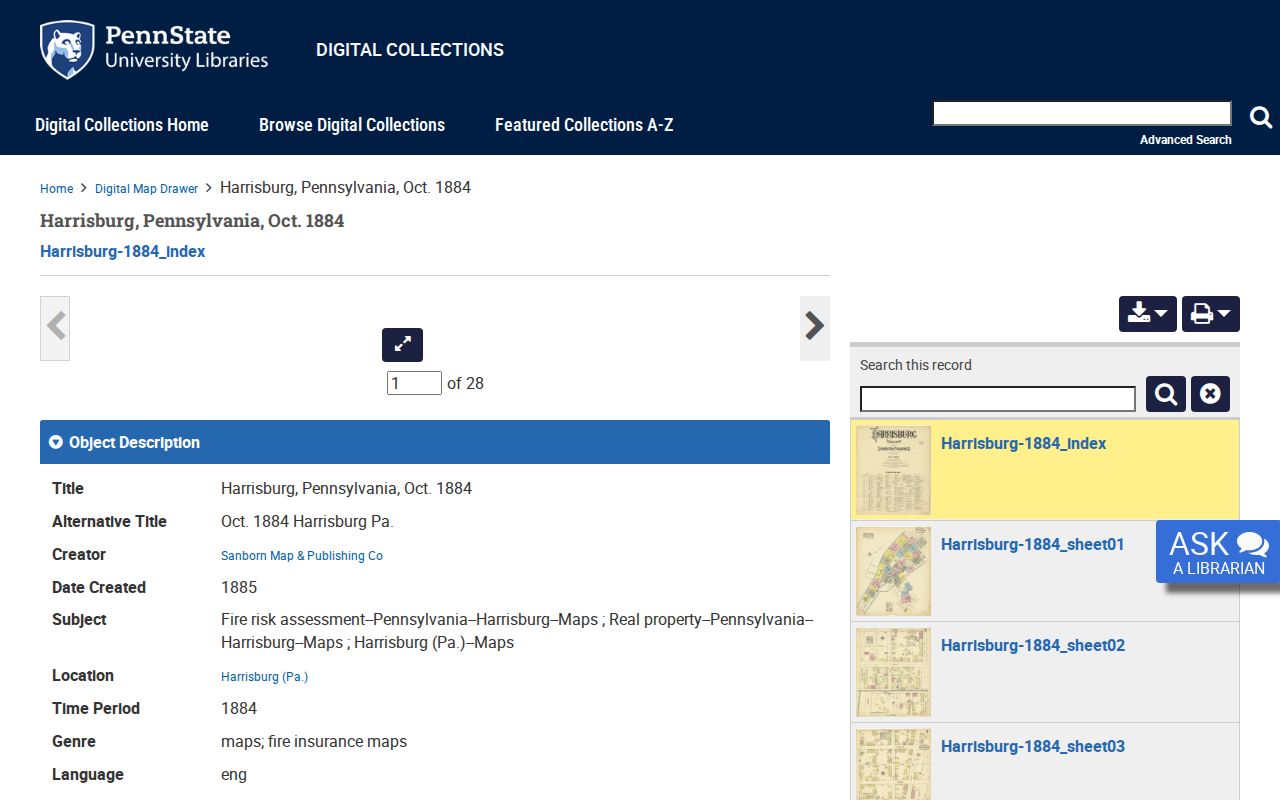
A map can place an address in its historic block, but it cannot establish a household without a corresponding named source.
Harrisburg Previous Residents Street Names
Literal modern-address searching can fail in Harrisburg. The City guide says Cameron Street was formerly 11th Street and Green Street was formerly Two and One Half Street. It also flags individual house-number changes. Before treating a historic address as a dead end, search both street forms and compare number patterns in directories, maps, newspapers, deed descriptions, and census material. Keep the source’s original spelling and number beside any normalized modern form in your research notes.
These examples are specific to Harrisburg. They do not establish a countywide renumbering rule for Dauphin County. A nearby or similar street name is not enough to join two records. Confirm the municipality, parcel description, map context, and date before carrying the prior-resident trail across an apparent change.
Dauphin County Previous Residents Households
Past residents are not always the same as past owners. HSDC’s Harrisburg city-directory collection can provide a dated address and name cross-check, and some volumes include a street-number list. The collections themselves, entry grammar, and holding gaps are detailed on the Dauphin County city directory page. A directory is a point-in-time publication, so compare the nearest available years instead of treating one listing as an exact arrival or departure date.
A digitized page from the 1904 Polk's Greater Harrisburg City Directory demonstrates the entry format available in a historical volume.
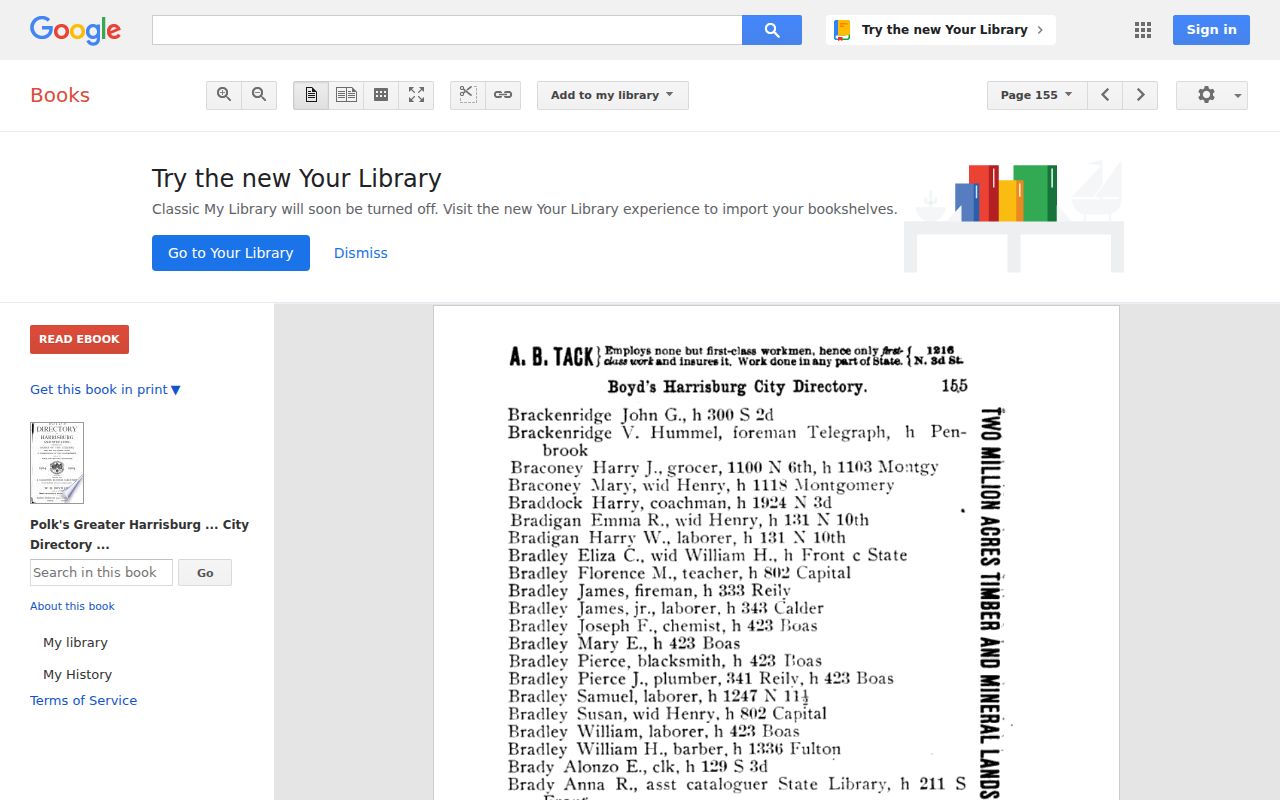
Use a page-level entry to capture exact spelling, initials, address, and notation before comparing it with another dated record.
- Choose the directory year closest to a known address, family event, or conveyance.
- Copy the full entry and check earlier and later held years for a move, spelling variation, or widow notation.
- Where a street-number listing exists, compare the address-organized listing with the alphabetic entry.
- Pair the directory year with the closest released census schedule, then assess whether the age, household, and place evidence fit.
- Use a newspaper, church record, cemetery inventory, probate file, or map as an independent confirmation when available.
The National Archives census research explains the public census path.
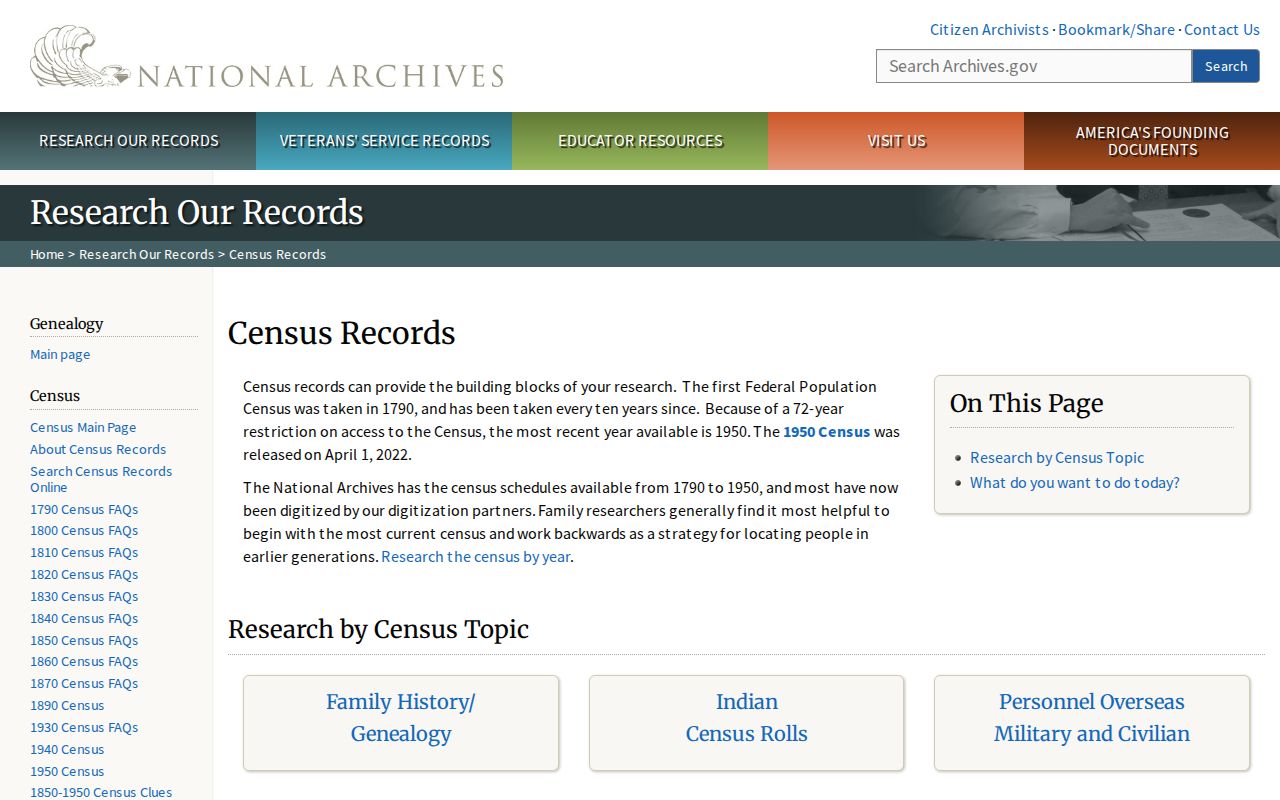
Census schedules are an independent household snapshot, not a municipal directory or a reliable address index for every rural parcel.
The 1950 Census search provides a free public search by name, location, or enumeration district.
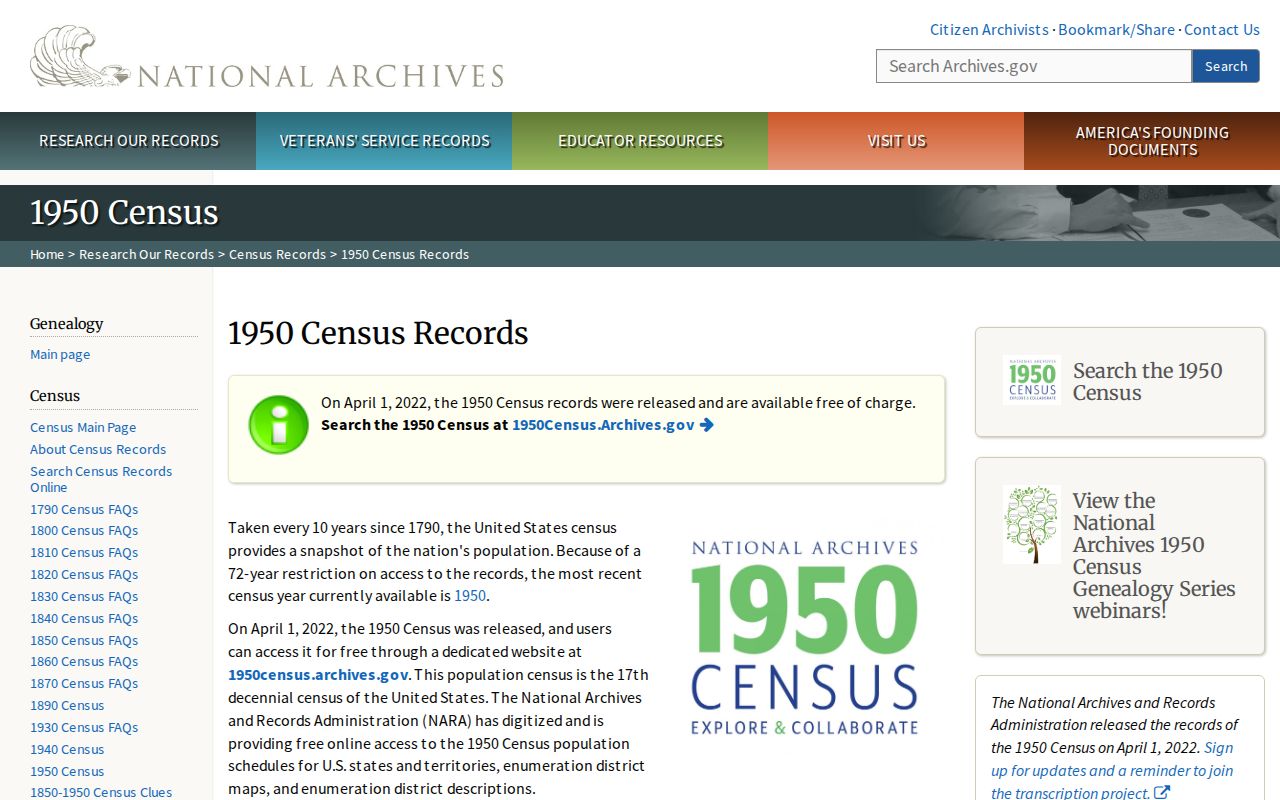
Use the enumeration district and location tools to test a historical household without assuming that the address format stayed fixed across time.
Dauphin Previous Residents Endpoints
When the deed and directory path points to a death, estate, or burial, use the custodian that holds that record. HSDC’s Alexander Family Library lists cemetery inventories, newspaper-clipping cards, church records, will extracts from 1785-1827, and Orphans' Court extracts from 1785-1817. Its archives overview also describes family papers, maps, photographs, organizational records, and deeds. These collections can corroborate a date or relationship, but their holdings descriptions are not a unified online name index.
The County’s Register of Wills and Clerk of Orphans’ Court holds estates, wills, Orphans' Court matters, marriage licenses, and local 1893-1906 birth and death holdings. Its Cloud Search is the current public-search route, while a certified probate or marriage record comes from that office, not the Recorder. Treat an estate party or an obituary as a dated lead. It does not by itself prove that someone was still living at an address.
Lawful personal use. Use a Dauphin County address history for family history, heir research, property history, or personal curiosity. Pennsylvania prohibits stalking and harassment, including conduct intended to place a person in fear or cause substantial emotional distress.
Note: Preserve the source, page, date, and record type for each link in the trail so another researcher can test the conclusion.